


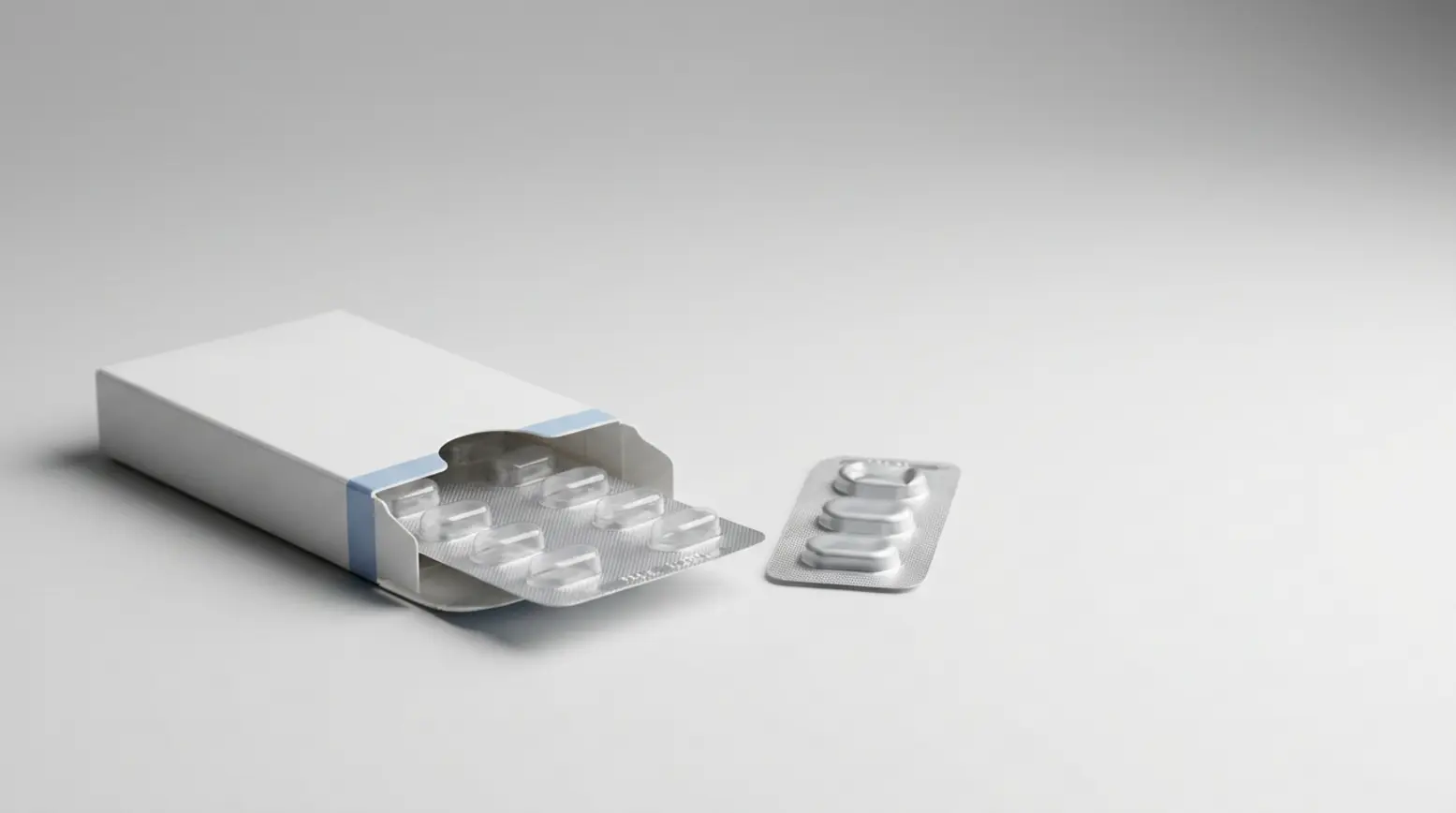

The choice between reclosable and single-use CR packaging is primarily a US test route decision. If a pack is reclosable, testers check whether a child can open the package or reach the contents, and they also verify whether adults can open and secure it again. If a pack is unit-dose or non-reclosable, testers evaluate whether a child can access a harmful number of units, or more than eight units, whichever is lower. Both routes still require child resistance and adult usability, so making the right choice starts with understanding the real-world use pattern.
• Because the package format dictates the test method, teams should classify the use pattern early.
• Reclosable packs must continue to function effectively through repeated opening and closing during normal use.
• Unit-dose formats are tested based on access to individual doses, not by whether the pack can be closed again.
• A blister can remain in place inside a tested reclosable system if the complete package design serves as the regulated child-resistant pack.
• Design changes require careful review because child-resistant performance is tied directly to the specific package system that was tested.
Why reclosable vs. single-use CR packaging is a test route decision
Many teams search for comparisons of reclosable vs. single-use CR packaging because they want a simple way to evaluate formats. That is a good starting point, but US regulations use more exact terminology. They separate reclosable packaging from unit-dose or non-reclosable child-resistant packaging. This distinction matters because the physical format determines which test route applies. In practice, the key question is how the patient or consumer accesses each dose and whether the package must be secured again after opening.
Both routes share the same safety goal. Children should not gain unsafe access to the contents, and adults must still be able to use the package correctly. Therefore, one route is not inherently better than the other. The chosen route simply changes what is measured during testing and how a failure is defined.
What reclosable vs. single-use CR packaging means in US packaging terms
Reclosable packaging definition
The definition of reclosable packaging is straightforward: the package is opened, the product is removed, and the package is then secured again for later use. A bottle with a child-resistant cap is the most familiar example. In this type of pack, the protective feature must continue working through repeated openings because the package remains in use over an extended period.
Unit or non-reclosable child-resistant packaging
Unit or non-reclosable child-resistant packaging functions differently. The user accesses doses one at a time, and the package is not reclosed in the same manner as a bottle. In the pharmaceutical and nutraceutical industries, blister formats are a common example. This is why "single-use child-resistant packaging" is a frequent term among buyers, even though the technical regulatory route is usually called unit or non-reclosable packaging.
Why this matters for child-resistant packaging types
Because the physical format alters the testing protocol, the packaging category should be clearly established before detailed design work begins. This foresight helps packaging engineers, regulatory teams, and contract packers avoid costly redesigns later on. If a project utilizes blisters, it is often helpful to review how child-resistant blister packaging aligns with dose access and line setups before defaulting to a bottle format.
How reclosable vs. single-use CR packaging changes the child-panel failure rule
Reclosable CR package testing
During reclosable CR package testing, a failure occurs if a child successfully opens the special packaging or gains access to the contents. The focus is on the entire package and its protective opening system. This aligns with how a reclosable pack is used in reality, as the child-resistant feature must continuously protect the contents after repeated use.
16 CFR 1700.20 unit packaging and F=1
For 16 CFR 1700.20 unit packaging, the failure threshold is different. It depends on whether a child can access a harmful number of individual units, or more than eight units, whichever is lower. If the testing concept is F=1, a single accessible unit is enough to constitute a failure. In plain language, this means just one dose can already be too dangerous for the product under review.
This difference is significant because the test route changes the measurement criteria, not the importance of the final result. A pack still must prove its child resistance within the category that matches its actual use. For this reason, teams should request design-specific child-resistant packaging test evidence and verify that the tested design matches the exact package they plan to implement.
| Pack type | Example | How doses are accessed | What failure means in child testing | Adult-use focus | Need for securing again |
|---|---|---|---|---|---|
| Reclosable packaging | Bottle with a child-resistant cap | Open the pack, take the product, and secure it again | A child opens the special packaging or gains access to the contents | Opening correctly and securing again during normal use | Yes |
| Unit or non-reclosable packaging | Blister dose format | Open individual units one by one | A child reaches the harmful number of units, or more than eight units, whichever is lower | Opening an individual unit | No, not in the same way |
How reclosable vs. single-use CR packaging changes senior-use testing
Senior-friendly reclosable packaging and securing again
Adult usability is critical because child-resistant packaging must remain accessible to intended users. For reclosable packs, adults need to open the package and then correctly secure it again. This is where senior-friendly reclosable packaging becomes essential. If older adults struggle to complete the opening or closing actions, the package may not be well-suited for its intended use route. In real-world projects, the CR re-securing test is vital because the protective feature must remain effective after normal, repeated use.
In the US, the standard regulatory route requires a senior adult-use effectiveness threshold of at least 90 percent. This threshold is important because a design might look secure on paper but still create problems in everyday practice. That is why it is highly beneficial to review senior-friendly child-resistant packaging early in the process, especially when the opening action requires several steps or precise hand movements.
Unit-dose child-resistant packaging and adult opening
Unit-dose child-resistant packaging is evaluated differently for adult usability. The primary question is simply whether adults can open an individual unit. They do not need to secure the package again in the same sense as they would a bottle or another reclosable format. This makes the adult-use task fundamentally different, meaning the testing route should closely follow the actual opening cycle of the product.
A blister-based example of reclosable vs. single-use CR packaging
When a blister remains the same, but access becomes reclosable
A blister-based treatment does not always need to transition to a bottle format. In some cases, the blister itself can remain unchanged while access becomes reclosable at the system level. Our reclosable child-resistant carton can work seamlessly around an existing blister, provided that the blister is part of the fully tested complete package system. This allows teams to explore a child-resistant blister carton route without altering the primary dose format.
Why a tested system is different from a normal outer carton
This distinction is crucial because the child-resistant functionality belongs to the complete, tested package system. All packaging components remain connected through the opening and reclosing actions in the tested setup. A standard removable outer carton is fundamentally different, as it does not automatically qualify as a regulated child-resistant package. Therefore, the system must be evaluated exactly as it is built, utilizing the same structure and opening behavior that will be used in practice.
Why design control still matters
The exact design dictates the scope of the certification, meaning any changes in structure, materials, fit, or opening action require careful review and may necessitate retesting. This rule applies across pharma, cannabis, nutraceuticals, and controlled substances because compliance is intrinsically tied to the tested package system. While some projects may involve broader support from Ecobliss Pharma or the larger group, the route decision should always begin with the real-world use pattern and the specific tested design.
Questions teams ask about reclosable vs. single-use CR packaging
Is single-use child-resistant packaging always a blister?
No. While "single-use child-resistant packaging" is common market terminology, it does not exclusively refer to blisters. The technical regulatory category is unit or non-reclosable child-resistant packaging. A blister is just a common example because doses are accessed separately. However, other formats can also fit this route if they are utilized one unit at a time and do not require securing again like a reclosable pack.
Can a child-resistant blister carton format qualify as reclosable?
Yes, it can, provided the child-resistant function belongs to the completely tested package system. That is the key requirement. A blister housed inside a tested, reclosable access system is vastly different from a loose carton placed around a blister, because the tested system actively controls access through defined opening and reclosing mechanics.
Does a child-resistant pack remain compliant after design changes?
Not automatically. Certification is tightly tied to the tested design's scope, so any modification to materials, dimensions, structure, fit, or opening behavior demands review and may require retesting. Even minor changes can impact real-world use, which is why rigorous design control is a fundamental part of compliance.
How should we choose between routes for a treatment course?
Start by evaluating the use pattern first. Analyze the opening cycle, strip count, and exactly how each dose is accessed. Then, decide whether the package is truly reclosable or if it better aligns with the unit route under US rules. This practical approach makes evaluating reclosable vs. single-use CR packaging a straightforward compliance decision rather than a mere naming convention.
Choose the use pattern first
If you are comparing different types of child-resistant packaging, begin by looking at everyday use. Consider how often the package opens, whether it must be secured again, and how many units are available per access event. Answering these questions will usually reveal whether the correct regulatory route is reclosable packaging or non-reclosable child-resistant packaging. When the appropriate route is clarified early on, development becomes much easier to manage because testing, design, and patient use all remain perfectly aligned.
If you would like to review a real blister format, simply share your blister type, strip count, and intended opening cycle with us and request a free sample. By doing so, it becomes much easier to assess which tested configuration fits your product and how the package should be evaluated under the correct US testing route.
Request a free sample now!


