


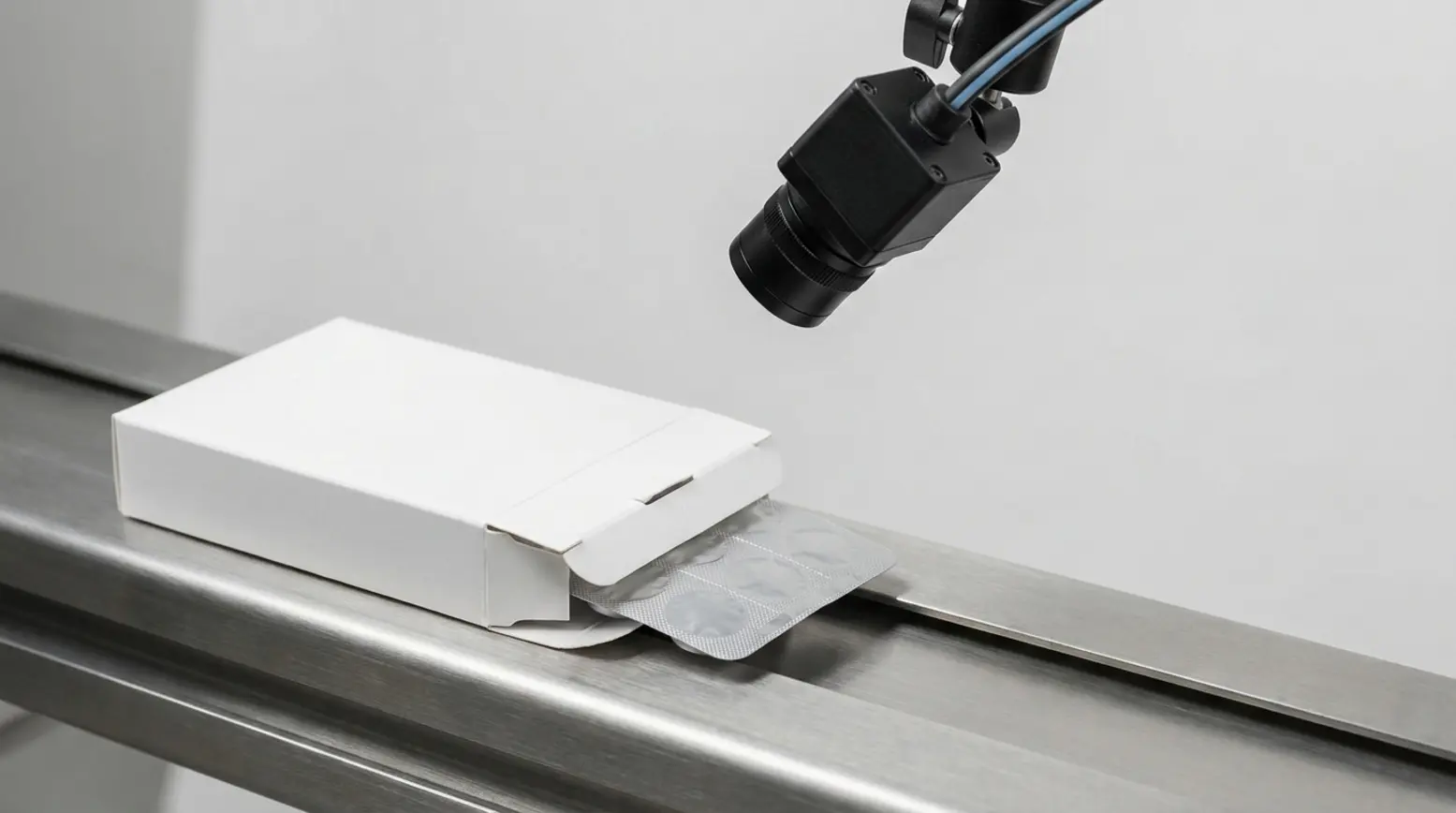

In-line quality checks for child-resistant cartons answer a simple production question: was this batch made the same way as the certified design? Certification proves that a specific pack design passed a defined child-resistant test, while routine production controls prove that each batch still matches that approved design. Because these are distinct processes, teams need clear incoming packaging inspections, in-process quality controls, functional line checks, and strong batch-release records.
• Certification proves the design, while production controls prove the batch.
• Small defects in creases, glue, insertion, or closure can change how a child-resistant carton opens.
• Carton vision inspection helps with visible defects and position checks, but it cannot prove opening function by itself.
• AQL sampling for packaging can support a quality plan, but it is not a mandatory child-resistant packaging rule.
• Good records, deviation handling, and change control protect quality assurance for CR packaging during daily production.
Why in-line quality checks for CR cartons are different from certification
In-line quality checks for CR cartons are necessary because certification alone does not release a production batch. A carton design can be approved as certified child-resistant packaging, demonstrating that one defined design passed a formal test. However, it does not guarantee that every subsequent batch was folded, inserted, closed, and recorded correctly. For pharmaceutical, cannabis, and nutraceutical products, this distinction is crucial because quality teams must prove that their daily output consistently matches the approved design.
ISO 8317 is a type approval standard for reclosable child-resistant packaging. Some relevant designs also hold F=1 certification under US 16 CFR 1700.20. While these approvals are important, they do not establish a routine batch control system. Therefore, in-line quality checks for CR cartons must remain an integral part of normal manufacturing controls, line releases, and final quality reviews.
What can go wrong in production without in-line quality checks for CR cartons
Functional areas that need protection
Child-resistant cartons function effectively because several structural details work together. These can include press points, locking features, folding panels, tray placement, insert position, and printed opening instructions. If any of these elements change, the opening action can also be affected. Consequently, child-resistant carton inspections should focus closely on the actual child-resistant carton mechanism rather than stopping at general appearance alone.
Common defect types
Poor crease quality can alter the way the board folds, meaning the lock may not form as intended. Incorrect glue placement can block moving parts or disrupt lock behavior when glue is a structural component. Additionally, board moisture and material condition can impact stiffness, causing the carton to run differently on the production line. Misfeeds, crushed corners, poor insertion, and improper closing can also damage the specific areas that ensure child resistance. As a result, carton quality inspections should clearly separate cosmetic flaws from functional defects, ensuring that decisions regarding rejection, containment, and investigation remain accurate.
Incoming inspection in in-line quality checks for CR cartons
What to verify against the controlled specification
A strong incoming packaging inspection starts with the approved drawing and controlled specifications. Teams should compare received cartons against the agreed requirements for dimensions, material characteristics, crease quality, cut quality, print versions, and visible damage. The goal is to stop out-of-specification materials before they reach the line, as early control prevents many subsequent failures. This specific part of in-line quality checks for CR cartons often serves as the first barrier against recurring defects.
How to use representative sampling
Sampling should follow established site procedures and reflect the risk level of the packaging. There is no single sample size that fits every supplier, board grade, or child-resistant format. AQL sampling for packaging is a general statistical method based on attributes. While it can support an internal quality plan or a supplier agreement, it is not a specific regulatory requirement for child-resistant cartons. Defect classifications, sampling plans, and acceptance limits should all stem from the company's quality system to keep the process controlled and practical.
Teams must also consider the complete packaging system after receipt, as the carton and blister must work together smoothly during insertion and opening. For a broader product system context, our guide to child-resistant blister packaging explains why component fit and insertion conditions matter when pack sizes or materials change.
In-process controls that support in-line quality checks for CR cartons
Checks during feeding and erection
In-process quality controls for packaging begin as soon as the carton enters the line. Operators and quality staff should watch for poor blank opening, repeated deformation, skewed folding, and damage at corners or creases. A defect that originates during feeding or erection can easily carry over into subsequent steps, making trend reviews highly valuable. Small mechanical drifts may seem minor at first, but over time, they can lead to repeated functional failures.
Checks during product and tray insertion
During insertion, the product, tray, or blister should fit exactly as planned without damaging the carton. Misalignment can place unwanted stress on panels, press points, or lock areas. If the insertion force fluctuates, or if a blister sits in the wrong position, the final opening action may be compromised. Consequently, packaging and production engineers must treat insertion as a critical functional step rather than just a simple loading task.
Checks during closure and lock formation
Closure quality is one of the most crucial elements of child-resistant carton inspection. The production line must verify that locking features form correctly and that press points remain intact and fully usable. If the closure is incomplete or distorted, the package may lose its intended child resistance. It can also become difficult for seniors to open, negatively impacting usability. Therefore, setup instructions and routine inspection points must clearly define what proper lock formation looks like.
Checks for print and opening instruction quality
Opening instructions must remain readable and correctly positioned. If users cannot locate the press points or read the provided guidance, the normal opening process can be hindered even if the carton structure itself is flawless. Consequently, carton quality inspections should evaluate both physical structure and communication. Sensors and vision inspection systems can support this effort by checking for presence, print legibility, correct codes, and certain positional defects during the production run.
The role and limits of vision systems in in-line quality checks for CR cartons
What cameras can confirm
A vision system provides fast and repeatable checks on the packaging line. It can easily confirm presence, print quality, verification codes, proper positioning, and certain types of visible damage. It also automatically rejects cartons that are missing components, poorly printed, or obviously malformed. For many production lines, this makes carton vision inspection a highly useful support tool within quality assurance programs for CR packaging.
What cameras cannot prove on their own
A camera image alone cannot prove that a carton's opening mechanism works. It is unable to confirm opening force, proper lock behavior, or true child-resistant functionality. As a result, functional line checks for packaging are still necessary to confirm what the camera cannot see. This limitation should be explicitly outlined in procedures and work instructions to ensure that teams never confuse visual confirmation with functional proof.
Functional checks, packaging AQL sampling, and batch evidence
How to define a functional opening check
A functional check should follow a documented method that precisely matches the intended opening action and the approved design. This method needs to explain how to handle the carton, clearly define what constitutes a pass or fail, and detail how to record the results. The frequency of these checks should be determined by process risk, historical line knowledge, development insights, and the site's overall quality system. Since ISO 8317 does not dictate routine batch check frequencies, each facility must define a suitable method and implement strict controls.
How to explain packaging AQL sampling correctly
AQL sampling for packaging is a general acceptance sampling approach. While it can be quite helpful within a supplier quality plan or an internal release process, it should never be presented as a strict child-resistant packaging regulation. In practice, each company should define its own defect classes and acceptance criteria through a dedicated risk-based process. This ensures the system remains clear and practical for quality assurance, quality control, and daily operations.
What should support batch release
Packaging batch releases require clear and robust evidence. This typically includes material lot traceability, approved setup records when required, in-process results, functional check outcomes, reject data, deviation reports, and corrective actions. In regulated sectors, this aligns seamlessly with normal GMP packaging controls, as written procedures and representative checks help demonstrate that the batch was packed according to the approved specifications. If any step is not properly controlled and recorded, the final release decision becomes significantly weaker.
| Production stage | Typical defect | Possible effect on function | Example control | Example record |
|---|---|---|---|---|
| Incoming receipt | Wrong dimensions or poor crease quality | Incorrect folding or lock behavior | Check against drawing and specification | Incoming inspection result |
| Feeding and erection | Misfeed or crushed corner | Damaged functional panel | Operator checks and line monitoring | In-process inspection log |
| Insertion | Poor tray or blister alignment | Stress on lock area or closure | Alignment check during setup and run | Setup approval and line checks |
| Closure | Incorrect lock formation | Loss of intended child resistance | Defined closure inspection and functional check | Functional pass or fail result |
| Final review | Unresolved deviation | Batch risk remains unknown | Quality assessment and final decision | Deviation report and release decision |
Deviations, containment, and change control for certified CR packs
What to do when a defect could affect the lock
If a defect has the potential to affect the locking function, the first step is to immediately stop production or contain the affected material. Next, the team should investigate the likely cause and determine the overall scope of the issue. This involves checking whether previously produced units might also be affected. A batch should never be released simply because the original design was certified; certification does not replace the need for routine production assurance.
Proper defect handling protects both product quality and the integrity of the approved design. The facility should always follow its approved processes for rework, rejection, or other corrective actions. Readers who want more company background can learn about our group for additional information. Ultimately, any quality decision must rest on strict specifications, thorough inspections, accurate records, and comprehensive technical reviews.
Why informal design changes are risky
Certification applies only to a highly specific packaging design. If the physical structure changes, new testing may be required. Because of this, any process fixes should keep production strictly within the approved design parameters rather than informally altering the design to solve a line problem. Proper change control links development, production, and final release, ensuring that teams do not drift away from what was initially approved. If you would like to review drawings, acceptance limits, trial checks, or the production setup for a defined package, please contact us so we can discuss the practical controls needed for your routine production.
Want Ecobliss to pack your product into Locked4Kids cartons, including serialization? Ecobliss Pharma handles quotes and contract packing: request a quote from Ecobliss Pharma.
FAQ
Does ISO 8317 define routine batch checks? No. ISO 8317 is a type approval standard for reclosable child-resistant packaging. It demonstrates that a specific defined design has passed a test, but it does not mandate how often to check subsequent production batches.
Can a camera prove a child-resistant mechanism works? No. A camera can confirm visible features and positioning, but it cannot independently prove opening functionality, correct lock behavior, or true child resistance. Functional physical checks are still absolutely necessary.
Is AQL mandatory for CR cartons? No. AQL is merely a statistical sampling approach, not a strict child-resistant packaging regulation. A company may choose to use it within its internal quality plan, but all defect classifications and acceptance limits must be derived from its own risk-based system.
What should be included in the batch record for CR cartons? The batch record must fully support material traceability and final release. It should include material lot data, setup details when required, in-process inspection results, functional check outcomes, reject logs, deviation reports, and all corrective actions taken.
Request a free sample now!


