


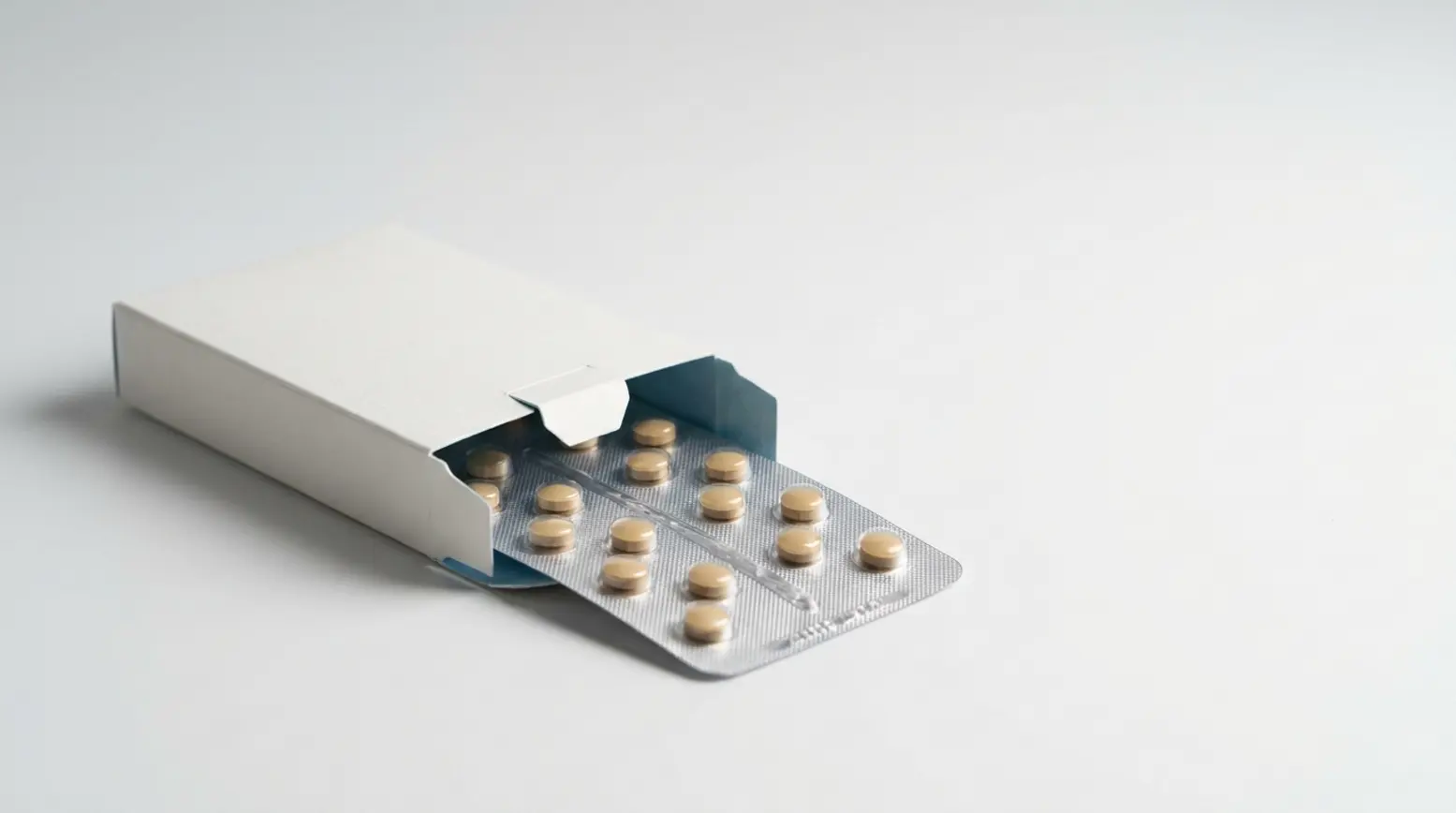

Dose control and child resistance in THC products are related, but they perform different jobs. The blister separates each tablet, capsule, softgel, or gummy into its own physical unit. The outer child-resistant carton then limits access to that blister. This is why teams should review the packaging as a complete system. With dose control and child resistance in THC products, the goal is clear unit presentation, controlled access, and a design that can be tested and specified correctly.
• The blister defines the unit, ensuring that the count and layout are clear during filling, review, and use.
• The carton controls access, meaning child resistance depends on the tested outer packaging rather than potency or serving advice.
• While a jar or pouch can expose all loose units once opened, sealed blister cavities remain closed until individually accessed.
• Multi-serving cannabis packaging may require resealability, as some markets mandate child resistance even after the first opening.
• Because small changes to materials or structure can affect certification, the final tested version must be fixed prior to approval.
What dose control and child resistance in THC products mean in packaging
Regulators and packaging teams often review these two concepts together because both affect how THC products are presented and accessed. However, they remain separate controls. In simple terms, a blister provides physical unit separation, while the outer packaging provides access control. This distinction matters for THC dose packaging, as a clear format can support counting, labeling, and review without making claims about how much a person should consume.
A blister can hold a single tablet, capsule, softgel, or gummy in each cavity. Often referred to as unit-dose THC or a cannabis unit-dose blister, this format clearly displays the unit count and simplifies both filling checks and artwork control during production. A child-resistant outer pack serves an entirely different role. By limiting access to the blister, it supports child-resistant packaging as an integral part of the complete system.
It is important to keep product claims narrow and factual. Packaging can support controlled presentation and cannabis access control, but it does not guarantee safe use. Furthermore, it does not dictate cannabis potency on packaging or determine serving sizes. Regarding dose control and child resistance in THC products, the key point is simple: one layer separates the units, and another layer controls access to them.
Why dose control and child resistance in THC products present different design questions
The blister defines the physical unit
A THC blister pack physically separates individual units. Because each unit sits in its own pocket, the product is presented in a fixed layout. For packaging engineers and contract packers, this structured approach helps with count checks, line setup, and overall consistency. For product managers, it supports clearer cannabis serving packaging since the number of units is visible and consistent from the start.
This physical structure also aids in artwork planning, as the cavity layout, count, and orientation are entirely predictable. Such predictability proves highly beneficial when a package requires warnings, serving information, and market-specific statements. If your team wants more background on the structural design, our child-resistant blister packaging guide explains how these formats integrate into a broader child-resistant system. Even so, the blister's primary function remains unit separation and presentation. It is not a claim about potency, product approval, or correct usage.
The carton controls access to the blister
The outer carton performs a distinct task. Placing a child-resistant carton around a unit-dose blister adds a tested access layer to the product. In this setup, the blister continues to define the physical units, while the carton strictly controls access to them. This represents the core logic behind child-resistant THC packaging when a brand wants to retain an existing blister format while introducing a child-resistant secondary pack.
This distinction helps teams write better specifications, as each layer serves a singular, clear function. The carton does not dictate potency or serving size; it merely controls access. Additionally, these cartons can often run on standard packaging lines at normal speeds, allowing teams to avoid unnecessary equipment changes while still improving architecture for cannabis packaging safety.
How dose control and child resistance in THC products work in a two-layer pack
Compare blistered units with loose containers
A loose jar or pouch can make all units physically available after a single opening step. This matters heavily for multi-serving cannabis packaging, where the entire contents may be exposed at once. Conversely, when using a blister inside a carton, the remaining cavities stay securely sealed even after one is opened. As a result, immediate exposure to loose product is significantly lower than with an open bulk container, although the blister itself should not be marketed as child-resistant unless that specific feature has been formally tested and validated.
This two-layer format helps keep the packaging logic remarkably clear: the blister organizes the units, and the carton limits access to that blister. Together, they facilitate much clearer THC dose packaging for tablets, capsules, softgels, and gummies. When exploring dose control and child resistance in THC products, this is typically the most practical value for technical teams: gaining precise control over physical presentation along with tested access control.
Why this matters for cannabis packaging safety
Cannabis packaging safety heavily depends on what becomes available after opening, how the package is reclosed, and whether the child-resistant feature continues to work as intended. Therefore, placing a blister inside a carton proves highly useful because each layer solves an entirely different problem. The blister supports a fixed count and visible unit presentation, whereas the carton provides crucial cannabis access control around that blister.
This setup is particularly helpful when a single retail pack holds several servings. The carton provides ample space for warning panels, brand identity, and serving information, while the blister keeps the individual units separated inside. That is precisely why teams should view dose control and child resistance in THC products as a comprehensive packaging system rather than a single feature.
When dose control and child resistance in THC products require resealability
Multi-serving packs and ongoing child resistance
Some markets demand more from resealable cannabis packaging. If a retail pack contains multiple servings, the package may need to remain child-resistant throughout its lifespan, including after initial opening and subsequent reclosing. New York is a verified example where multi-serving retail packs must stay child-resistant during ongoing use. California offers another verified example, as it actively separates first-use from multiple-use child-resistant packaging and maintains specific rules for individually child-resistant servings.
Keep in mind that these are strictly examples, not universal rules. Serving limits, container regulations, and labeling requirements vary widely by market and frequently change over time. Consequently, regulatory and compliance teams must verify local rules well before final packaging approval. This diligence is especially vital for serving-size cannabis packaging, as regulatory bodies often evaluate the number of servings and the opening method together.
Serving information and total pack content
Regulators typically review total pack content, unit count, and serving statements simultaneously. They need to thoroughly understand how the product is presented, what becomes accessible after opening, and whether the package will still perform correctly during extended use. Therefore, any choice regarding cannabis serving packaging intrinsically affects label space, opening instructions, reclosing behavior, and access control.
For product teams, clear unit identification streamlines both internal review and external communication. For compliance teams, state-specific warnings and localized wording matter immensely. For contract packers, the formally tested opening action and the final production version must perfectly match. Aligning these elements reduces confusion later in the project and supports a much more reliable path to approval.
Specifying dose control and child resistance in THC products without retest risk
Questions to lock down before testing
Before any child-resistant testing begins, the packaging details should be completely stable. Because certification applies only to a specific tested version, even minor structural changes can nullify results. For dose control and child resistance in THC products, early specification work is vital because it simultaneously impacts testing, purchasing, production, and regulatory review.
• Pack details to finalize early: blister size, cavity layout, unit count, opening instructions, carton size, material choice, locking tolerances, label space, and state-specific warnings.
• Project control points: confirm the exact tested configuration, ensure that artwork does not interfere with folds or cuts, and verify that production instructions perfectly match the final approved package.
These details help packaging engineers, procurement teams, and contract packers work seamlessly from the exact same specification. They also eliminate the risk of late updates that can delay launch timing or create avoidable retest issues.
Why changes can trigger retesting
A simple change in material, structure, or locking behavior can easily require retesting, as the certification evidence strictly belongs to the exact package that was tested. This includes the blister format, carton design, opening action, and various other functional details. Certification solely means that a specific physical format passed a child-resistant test; it does not mean the enclosed product itself is approved for sale.
The same logic applies across both medical and adult-use markets, given that local pathways and standards frequently differ. Therefore, teams should strategically separate certification from market authorization during the planning phase. This separation creates a clearer project path and helps avoid costly assumptions that might cause significant delays later on.
Certification and adult usability
Tested child resistance requires evidence
Terms such as ISO 8317 and F=1 refer directly to tested child-resistant performance. The main takeaway is simple: packaging must be rigorously tested, not merely described as child-resistant. Our cartons are backed by certified child-resistant access control according to ISO or EN 8317 standards, as well as F=1 compliance under US 16 CFR 1700.20, but this evidence strictly applies to the tested configuration.
That evidence relates exclusively to access control. It does not confirm THC potency, product efficacy, or overarching market approval. Keeping these topics separate helps compliance teams explain the packaging correctly and allows buyers to properly compare solutions using the most relevant criteria.
Adult accessibility matters too
Child resistance still needs to work comfortably for intended adults, including older users. Because of this, adult usability should be thoroughly reviewed early in the process, not after the physical structure is locked in. Our opening concept utilizes two diagonal push points, ensuring the action is challenging for young children yet highly practical for adults during normal use.
If adult opening performance is a critical part of your project, our approach to senior-friendly child-resistant packaging can help guide your review. This balance matters greatly in both the United States and Europe, as consumers must be able to open the product correctly after purchase, which directly impacts real-world packaging performance.
FAQ
Does a blister control THC potency? No. The blister simply separates units physically. Cannabis potency packaging information belongs to the product data and the external label, not to the blister's physical structure.
Is a child-resistant carton the same as a dose system? No. The carton only controls access to the blister. It does not define an appropriate serving amount, nor does it replace actual product instructions.
Does a blister make every cavity child-resistant by itself? No. Unitization and child resistance are entirely different functions. A blister can easily separate units, while the formally tested outer packaging controls access to those individual units.
Can a multi-serving THC pack stay child-resistant after opening? Yes, provided the closure is explicitly designed and tested for repeated use. Local regulations ultimately decide when this continuous child-resistant performance is legally required.
What should a team test before final approval? The exact blister, carton, materials, opening instructions, and the precise final package version that will go to market. If the structure or materials undergo any changes, retesting will likely be necessary.
Next steps for technical review
If you are currently defining a package for tablets, capsules, softgels, or gummies, the best next step is to test the real opening action using your own blister format. Doing so helps your team evaluate access control, adult usability, line fit, and specification details well before final approval. If you want to move the project forward, request a free sample to review the opening concept with the actual physical format in hand.
If your project requires support beyond just the certified carton itself, Ecobliss Pharma and our wider group can also assist with related packaging efforts. This can include design for manufacturability, contract packing with serialization, and even sourcing specialized packaging machinery when the project demands a broader technical setup.
Request a free sample now!


